What Are Digital Skills?
Digital skills refer to the ability to use digital devices, software, and the internet effectively, safely, and responsibly.
These skills include not only technical abilities but also cognitive and creative skills such as logical thinking, content creation, and digital communication.
Why Digital Skills Matter for Kids
Learning digital skills from an early age prepares children for a future where technology plays a central role in almost every career and aspect of life.
Benefits of digital skills for children include:
- Improving creativity and innovation
- Strengthening problem-solving abilities
- Preparing for future careers
- Building confidence in using technology
- Encouraging safe and responsible online behavior
- Enhancing collaboration and communication skills
1. Digital Literacy
Digital literacy is the foundation of all digital skills. It involves the ability to find, evaluate, and use information online effectively.
Children should learn how to:
- Search for reliable information
- Identify trustworthy sources
- Use educational tools and platforms
- Manage digital files and content
Digital literacy helps children become smart and responsible users of technology.
2. Coding and Computational Thinking
Coding is one of the most valuable skills children can learn today. It is not just about programming computers but also about developing logical thinking and problem-solving abilities.
Benefits of learning coding:
- Enhances creativity
- Improves focus and patience
- Develops problem-solving skills
- Encourages logical and algorithmic thinking
- Builds teamwork through projects
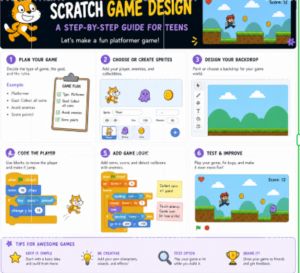
Tools like Scratch and Python make coding fun and accessible for children of different ages.
3. Cybersecurity and Online Safety
As children spend more time online, understanding cybersecurity is essential for their safety.
Children should learn to:
- Protect personal information
- Use strong passwords
- Avoid suspicious links and messages
- Understand online risks
- Practice safe social media usage
Teaching online safety helps protect children from digital threats and builds responsible digital habits.
4. Critical Thinking and Information Evaluation
The internet contains vast amounts of information, but not all of it is accurate.
Children need to learn how to:
- Verify information before trusting it
- Identify fake news and misinformation
- Compare multiple sources
- Think critically before sharing content
Critical thinking is a key skill for making informed decisions in the digital age.
5. Digital Content Creation
Technology is not just for consuming content—it is also for creating it.
Children can develop creativity through:
- Game design
- Animation
- Video creation
- Graphic design
- Interactive storytelling
- Website building
Content creation helps children express themselves and build confidence in their abilities.
6. Problem-Solving Skills
Problem-solving is one of the most important skills for the 21st century.
Activities that improve this skill include:
- Coding projects
- Game development
- Robotics
- App design
These activities teach children how to break down complex problems into smaller, manageable steps.
7. Collaboration and Digital Communication
Modern learning and work environments require teamwork and communication.
Children should learn how to:
- Work in online teams
- Share files and resources
- Communicate effectively in digital spaces
- Manage group projects
Collaboration skills are essential for academic and professional success.
8. Introduction to Artificial Intelligence
Artificial Intelligence (AI) is transforming the world, and children should be familiar with its basics.
Learning about AI helps children:
- Understand how smart technologies work
- Use AI tools responsibly
- Develop analytical thinking
- Prepare for future careers in technology
Early exposure to AI builds curiosity and future-ready skills.
9. Time Management in Digital Usage
One of the biggest challenges in the digital age is balancing screen time.
Children should learn to:
- Manage screen time effectively
- Balance online and offline activities
- Use technology for learning and creativity
Healthy digital habits support mental well-being and productivity.
10. Lifelong Learning and Adaptability
Technology is constantly evolving, making lifelong learning an essential skill.
Children who learn how to continuously acquire new skills will be better prepared for future challenges and opportunities in a rapidly changing digital world.
How Parents Can Support Digital Skill Development
Parents play a key role in helping children develop digital skills.
They can:
- Provide a safe digital learning environment
- Encourage coding and creative projects
- Teach online safety and privacy awareness
- Balance screen time with offline activities
- Support participation in online learning programs
Conclusion
Digital skills are no longer optional—they are essential for children’s future success. From digital literacy and coding to cybersecurity and artificial intelligence, these skills prepare children for a world driven by technology.
By learning these skills early, children can become not only responsible users of technology but also creators, innovators, and problem solvers.
Investing in digital education today means preparing children for a brighter, more successful future tomorrow.
You may also find the following articles useful:
The Benefits of Learning Coding for Kids
Scratch or Python: Which Should Your Child Start With?
The Importance of Digital Literacy in Elementary Schools