Why Is Learning Programming in Childhood Important?
Programming helps children:
-
Develop logical and analytical thinking
-
Strengthen problem-solving skills
-
Boost creativity
-
Build confidence in using technology
-
Prepare for future digital careers
This skill is essentially a form of advanced digital literacy that all children can benefit from.
Best Age to Learn Programming Based on Development Stages
1. Ages 5–7: Early Concepts Through Play-Based Learning
Children at this age are not ready for complex programming concepts, but they can learn:
-
Algorithmic thinking
-
Sequencing
-
Simple problem-solving
-
Pattern creation
Tools like ScratchJr, Code.org, and educational robots help them understand the basics through interactive play.
Conclusion: A great stage for early exposure, but not yet for real programming.
2. Ages 7–10: The Ideal Time to Start Programming
This is the best age to begin programming seriously. Children in this age range can:
-
Understand basic concepts
-
Follow step-by-step instructions
-
Focus for longer periods
-
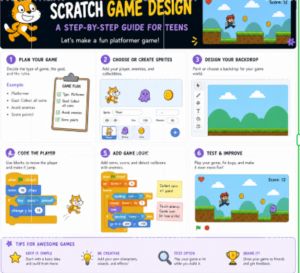
Stay motivated by creating games and animations
Recommended tools:
Scratch – Minecraft Education – Blockly – Coding games
Conclusion: The most effective stage for structured and practical learning.
3. Ages 10–12: Transition to Text-Based Languages
Children at this age can shift from visual environments to more advanced languages such as:
-
Python
-
JavaScript
-
HTML & CSS
If they start at this age, they often progress quickly because they:
-
Have stronger analytical skills
-
Can handle longer projects
-
Learn with clearer goals in mind
4. Ages 13 and Up: Not Too Late—Just a Different Path
Learning programming at this age is often even easier. Teenagers can:
-
Handle more advanced and realistic projects
-
Understand complex logic
-
Explore specialized areas such as AI, web development, or robotics
Conclusion: It’s never too late; the learning method should simply be more project-driven.
How to Know if Your Child Is Ready to Start Programming
A child is ready to learn programming when they have:
-
Basic reading and writing skills
-
Interest in playing or creating things
-
Curiosity and frequent questions
-
The ability to focus for 20–30 minutes
If a child meets these conditions, they are ready—whether they are 6 or 12 years old.
Which Programming Language to Start With at Each Age?
| Age |
Tools / Languages |
Learning Style |
| 5–8 years |
ScratchJr, logic games |
Visual & play-based |
| 7–10 years |
Scratch, Minecraft, Blockly |
Game & animation creation |
| 10–12 years |
Python, HTML/CSS |
Real programming concepts |
| 13+ years |
Python, JavaScript, Robotics |
Advanced, project-based learning |
Conclusion
The best age to start learning programming is typically between 7 and 12 years old—an age when children have both the mental readiness and the enthusiasm to learn through creative projects.
However, the ideal time ultimately depends on a child’s interest, attention span, and problem-solving skills.
The key is to ensure that programming is taught step by step, engaging, and project-based, so children enjoy the journey while building strong digital skills for the future.