What Is Programming and Why Is It Important?
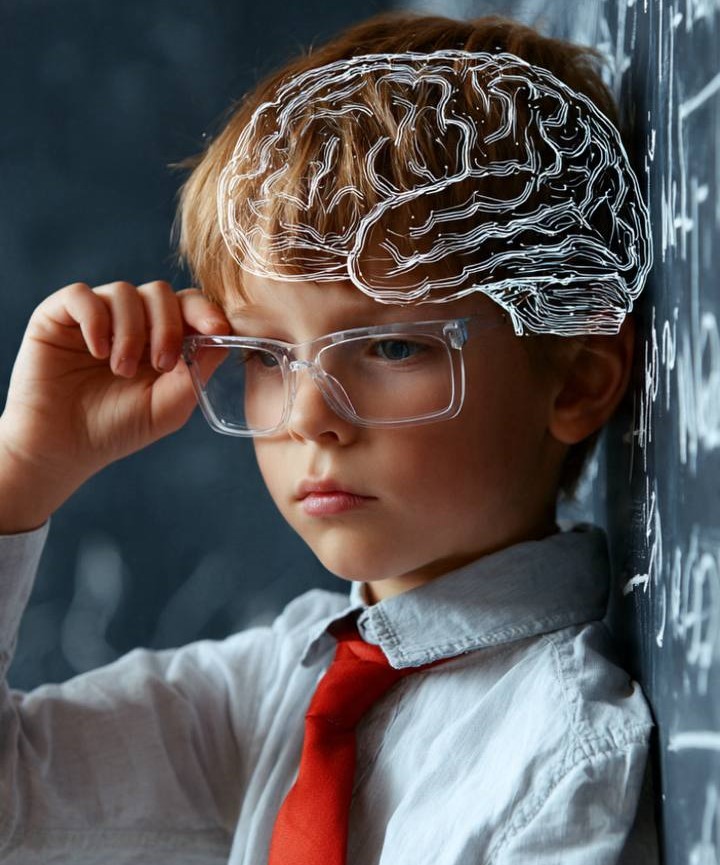
In simple terms, programming means giving instructions to a computer to perform specific tasks. However, beyond this basic definition, programming is a mental skill that helps individuals analyze, break down, and solve problems.
By learning programming, children can:
- Think in a structured way
- Solve problems step by step
- Turn their ideas into reality
The Impact of Programming on Logical Thinking
1. Improving Problem-Solving Skills
In programming, every project is essentially a problem that needs to be solved. Children learn to:
- Identify the problem
- Explore different solutions
- Choose the best approach
This process directly strengthens logical thinking.
2. Learning Algorithmic Thinking
Algorithmic thinking means breaking down a complex problem into smaller, manageable steps. For example:
- First, define the input
- Then process the data
- Finally, produce the output
This type of thinking is useful in all areas of life.
3. Enhancing Attention to Detail and Focus
Programming requires attention to detail. A single mistake in a line of code can affect the entire program. As a result, children:
- Become more detail-oriented
- Improve their concentration
The Impact of Programming on Creativity
1. Turning Ideas into Reality
Through programming, children can:
- Design games
- Create animations
- Build interactive stories
This process significantly boosts their creativity.
2. Freedom to Create and Experiment
Programming provides an environment where:
- Making mistakes is part of learning
- Trial and error is encouraged
This freedom allows children to think more openly and generate new ideas.
3. Combining Art and Logic
Programming is not just a technical skill; it is a combination of:
- Design
- Storytelling
- Logic
This blend creates a powerful foundation for creative growth.
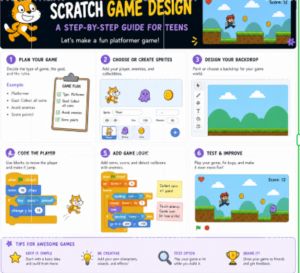
The Role of Tools Like Scratch
Tools like Scratch are specifically designed for teaching children. These platforms:
- Offer a visual and user-friendly environment
- Make learning fun and engaging
- Help children understand concepts without complexity
The Best Age to Learn Programming
Research shows that the best time to start learning programming is during childhood and adolescence. At this stage:
- The mind is more flexible
- Learning happens faster
- Creativity is at its peak
Conclusion
Learning programming is not just about acquiring a technical skill; it is an investment in a child’s cognitive development. It helps them:
- Think more logically
- Become more creative
- Solve complex problems effectively
As a result, programming can play a significant role in their future academic and professional success.
A Suggestion for Parents
If you are looking to enhance your child’s cognitive development and creativity, consider introducing programming at an early age. Choosing the right courses and engaging learning environments can make this journey both enjoyable and highly effective.
You may also find the following articles useful:



1 Comments